Frequently Asked
Questions
Real answers to the questions we hear most. If yours isn't here, just call or text — we're happy to talk.
Real answers to the questions we hear most. If yours isn't here, just call or text — we're happy to talk.
Most people spend about an hour with us from start to finish. The infusion itself runs about 40–45 minutes, and then you rest for another 15–20 minutes until you feel grounded. We never rush you — if you need a few extra minutes, that's perfectly fine.
Honestly, most people say it's less than they expected. It feels like a small pinch — similar to getting blood drawn. Marla has placed thousands of IVs, so it's quick and virtually painless. Once the IV is in, you won't feel it at all. The infusion itself is painless — you'll just start to notice the effects within a few minutes.
Most people describe a feeling of gentle floating or lightness — like the weight of their thoughts has been temporarily lifted. Some notice soft colors or patterns. Some feel deeply relaxed, almost dreamy. You stay conscious the whole time and can talk to Marla whenever you want. A lot of people tell us it's the first time their mind has felt truly quiet in years. Marla adjusts your dose in real time to keep you comfortable throughout.
Most people start with six sessions over two to three weeks. That gives the brain time to build on each session. A lot of patients notice a difference after just one or two. After the initial series, most people come back for a maintenance infusion every 4–8 weeks, though some go longer between visits. Your plan is based entirely on how you respond — we don't lock you into anything.
Insurance coverage for IV ketamine varies. We can provide detailed receipts for possible out-of-network reimbursement, but coverage and reimbursement are not guaranteed. Check your plan's requirements directly with your insurer. We can review your proposed protocol's price and payment options during your free consultation.
No — you'll need a ride home after every session. Ketamine can affect your coordination and reaction time for a few hours. Most people feel back to normal within 2–4 hours, but we require a designated driver as a safety measure. Plan to take it easy for the rest of the day — no driving, no heavy machinery, no big decisions.
The conditions we see most often are treatment-resistant depression, anxiety, PTSD, chronic pain (including CRPS, fibromyalgia, and nerve pain), OCD, suicidal ideation, and some substance use disorders. It tends to help most when other medications haven't worked. During your free consultation, we'll talk through your specific situation and be honest about whether ketamine is likely to help.
Ketamine has been used safely in medicine for over 50 years — it was FDA-approved as an anesthetic in 1970 and is on the WHO's List of Essential Medicines. At Music City Ketamine, you have a CRNA overseeing your care, with hospital-grade equipment monitoring you continuously: heart rate, blood pressure, and oxygen levels. It's the same standard of care used in surgery. That said, ketamine therapy isn't right for everyone — we screen carefully and we'll be honest with you if it's not a good fit.
Spravato (esketamine) is a nasal spray that uses one half of the ketamine molecule. It's FDA-approved for treatment-resistant depression and has a fixed dosing schedule. IV ketamine uses the full molecule, lets us tailor the dose to you, treats a wider range of conditions, and gives your provider precise control over the infusion. A lot of people who didn't get results from Spravato do respond to IV ketamine — probably because of the dosing flexibility and higher bioavailability.
It comes down to how much of the medication actually reaches your brain. With oral ketamine (troches, lozenges, or pills), your digestive system breaks down most of it — only about 20–30% gets through. IV ketamine delivers 100% directly to your bloodstream. That means more precise dosing, more consistent results, and the ability for Marla to adjust in real time based on how you're responding. There's a reason IV is considered the gold standard.
Nope. You can call or text us directly to schedule a free consultation. If you have a psychiatrist, therapist, or primary care provider, we're happy to coordinate with them — and many providers actively refer patients to us. But a referral is never required to get started.
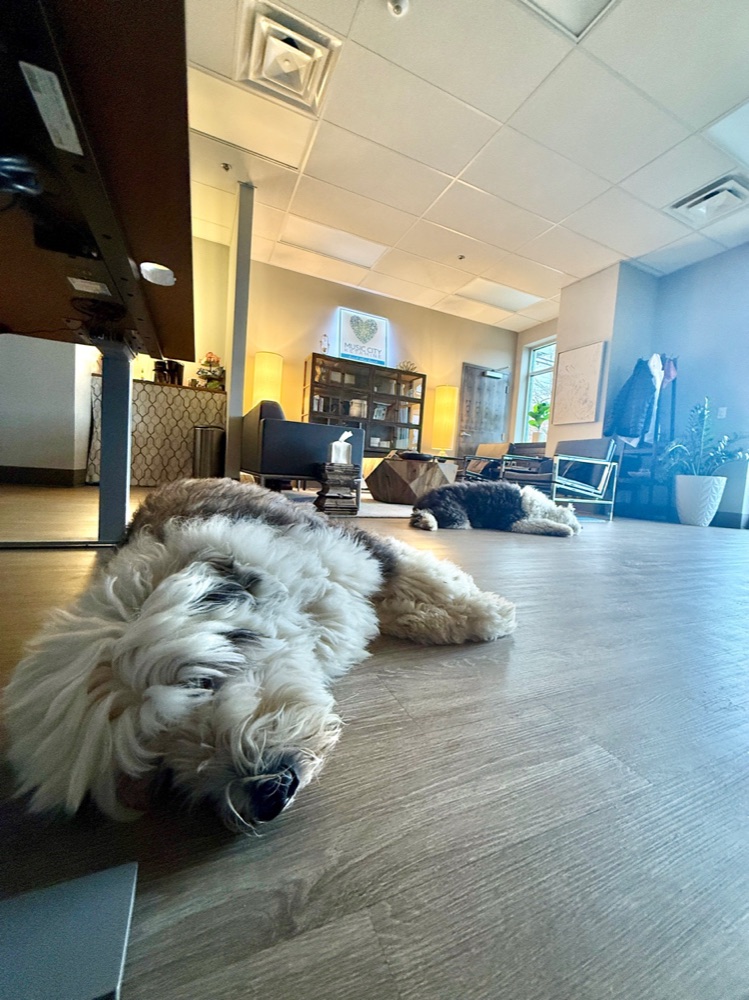
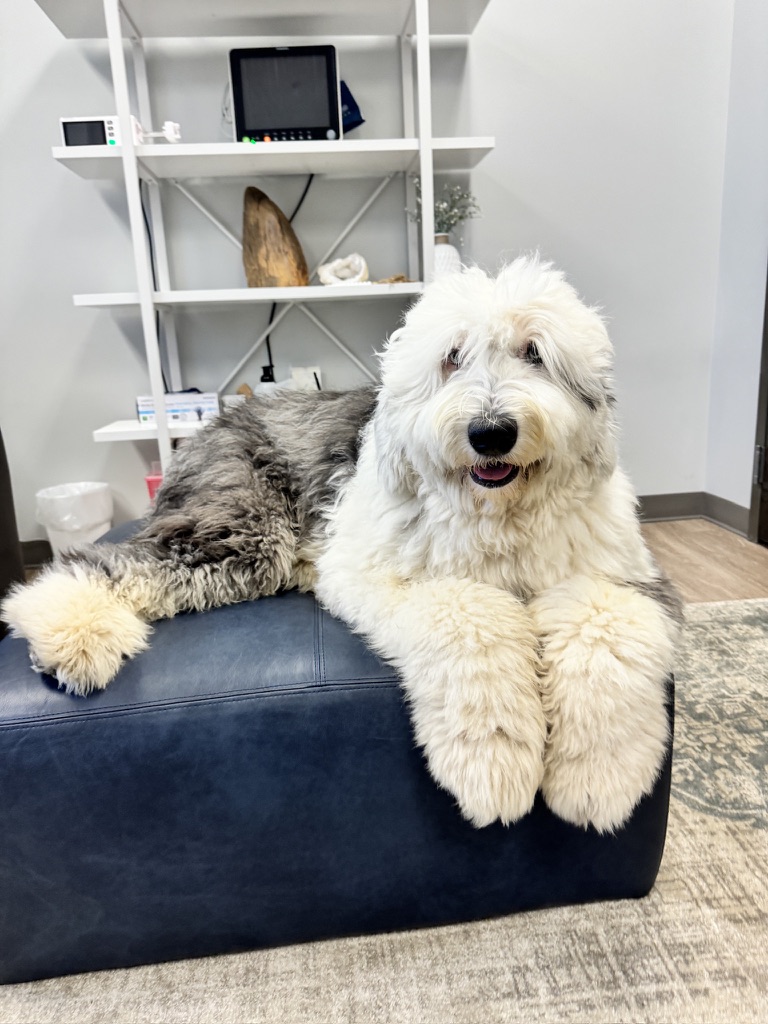
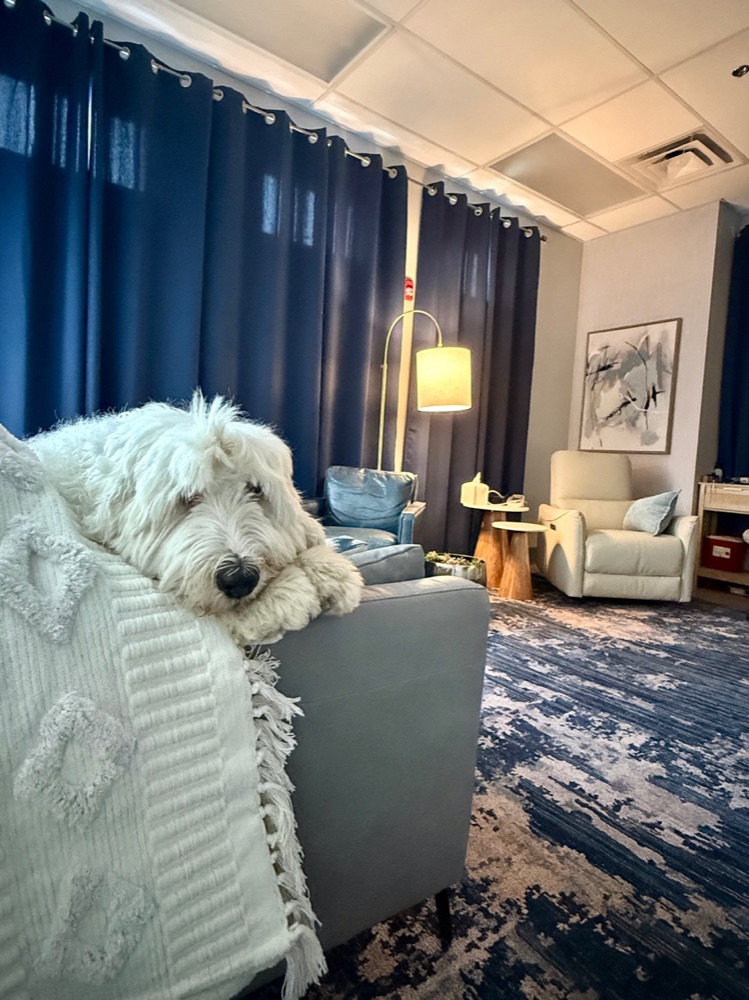
Walter White and Wilma are our resident therapy dogs. They're friendly, calm, and have a genuine talent for making anxious people feel at ease. Walter White tends to greet everyone at the door. Wilma is more of a "curl up next to you on the couch" type. They're here because people relax faster when something feels safe. If you're not a dog person or have allergies, just let us know — we'll make sure they give you space. But most patients tell us the dogs are one of their favorite parts of the experience.

These answers give you the basics, but every person's situation is different. The best way to understand if ketamine therapy is right for you is a real conversation. Call or text us — Marla is happy to answer your questions directly, no sales pitch, no obligation.
Many of our patients started exactly where you are right now: curious, cautious, and looking for honest information. That's a good place to be.
(615) 988-4600
Many patients prefer texting — we respond quickly.
hello@musiccityketamine.com
We typically respond within a few hours during business hours.
You don't have to decide today.